
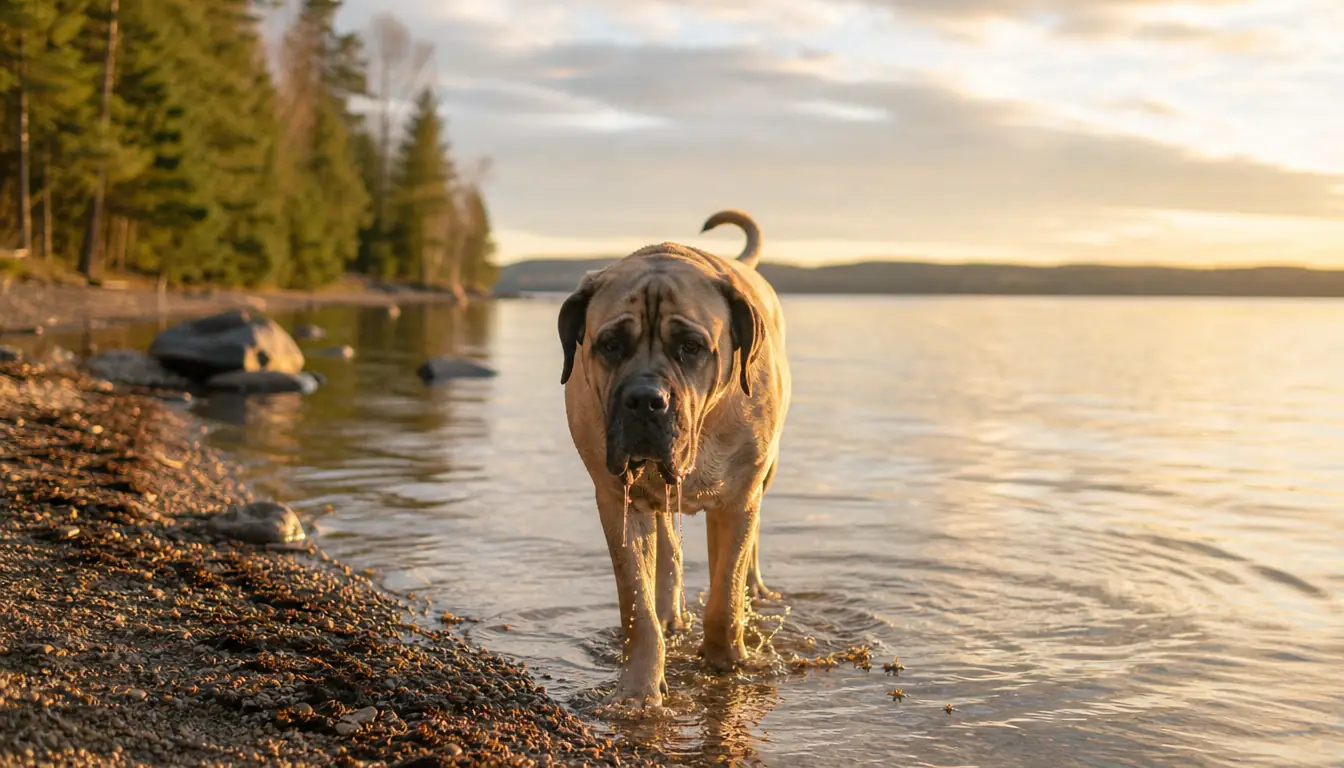
Juno will not stop fetching. That is the entire problem. She is a four-year-old Border Collie, about forty pounds, and if I throw a bumper into the water she will swim out, bring it back, and ask for another one until her back end starts to sink. Two summers ago at a reservoir outside Boise I watched her do exactly that, maybe sixty feet from shore, and I did not love the math. Now she wears a vest any time we are near water deeper than her elbows. The one hanging on our gear hook is the Outward Hound Granby Splash, and it is the first thing I hand to any owner of a high-drive dog who tells me their dog is too good a swimmer to need one.
That sentence is the one I hear most, by the way. Good swimmers still get tired. They still hit cold water, current, slick docks and boat wakes. The ten reasons below are the ones that actually changed how I handle Juno around water, plus a few honest notes on where this vest does not do the work for you.
The vest goes on before the first throw, not after
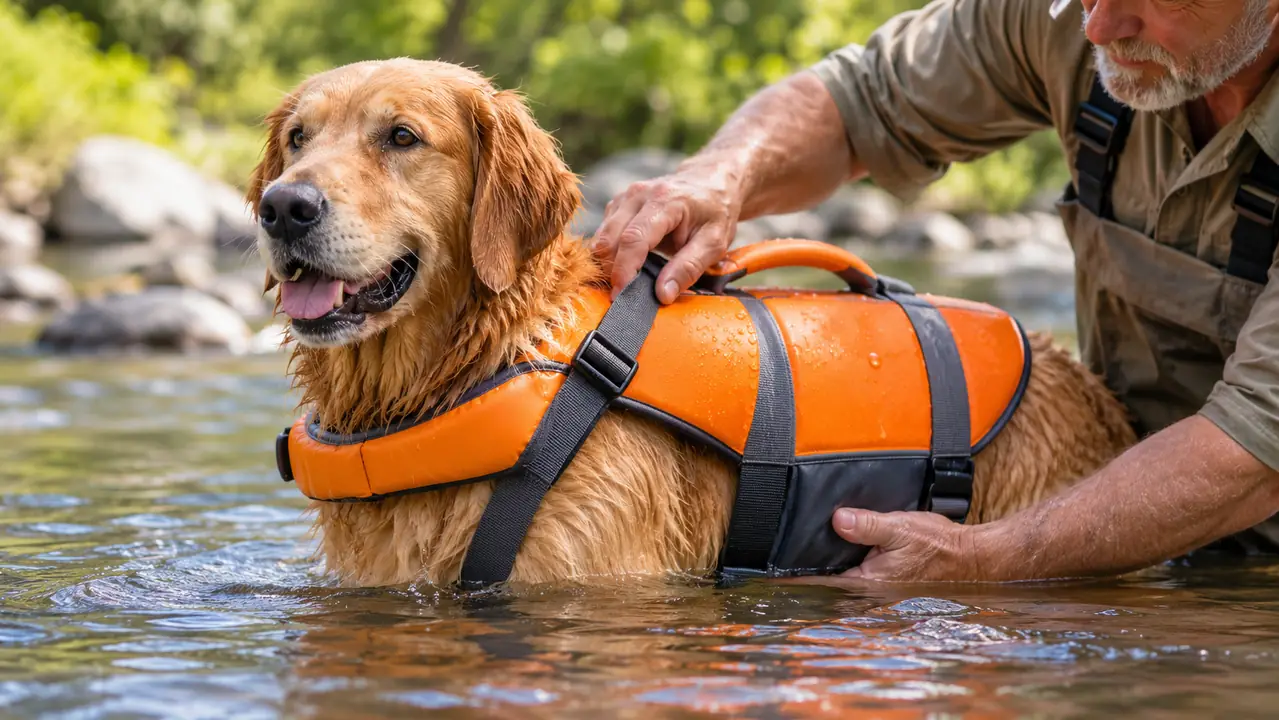
The Granby Splash is cut for medium dogs with a 21 to 27 inch chest girth, with adjustable straps and quick-release buckles. Measure your dog around the ribcage, check the size chart, and get the fit right before you get to the water.
Amazon Check Today's Price on Amazon →A tired swimmer still floats
This vest is built for maximum buoyancy, and buoyancy matters most at the end of a session, not the start. Juno's first ten minutes in the water look like a highlight reel. Minute twenty looks like work. Her hind end drops, her stroke goes vertical, and she starts breathing harder than she is paddling. The vest supports her chest without locking up her shoulders, which is the tradeoff you actually want from a swim vest.
Measure the chest, not the weight
The medium Granby Splash fits a chest girth of 21 to 27 inches, and that number is the only one that decides whether the vest works. Juno measured 24 inches around the ribs behind her front legs, and the medium sits snug through the chest and clear at the shoulder. Weigh your dog if you like, but bring a soft tape to the ribcage. If your dog lands near the top of the range, read the Outward Hound size chart carefully before you order.
Quick-release buckles come off a shivering dog in seconds
The straps adjust and the buckles are quick-release, which sounds like a spec sheet line until you are on a wind-whipped ramp in October with a wet dog. Two clicks and the vest is off, towel on, dog in the hatchback. I have fumbled my way through wet harness hardware before. I have not fumbled this.
Reflective accents buy you time at dusk
Most of our water sessions happen after work, which means the light is already going when we start. The vest carries reflective accents, so a dog swimming thirty feet out is still findable once the surface turns flat and gray. Juno is black and white and the water is not. I will take every advantage I can get.
Swimming is a strength session, and high-drive dogs do not self-limit
Fetching in water is closer to hill repeats than to a stroll. Juno will keep going until she drops, which is a management problem, not a personality quirk. The vest does not slow her down, but it means an overenthusiastic session ends with a tired dog instead of a dog in trouble. I pace her in the water the same way I pace her on the foothill trails, in short sets with real breaks on the bank.
Her hind end drops, her stroke goes vertical, and the vest keeps her chest up when her form quits.
Mountain water stays cold long after the air warms up
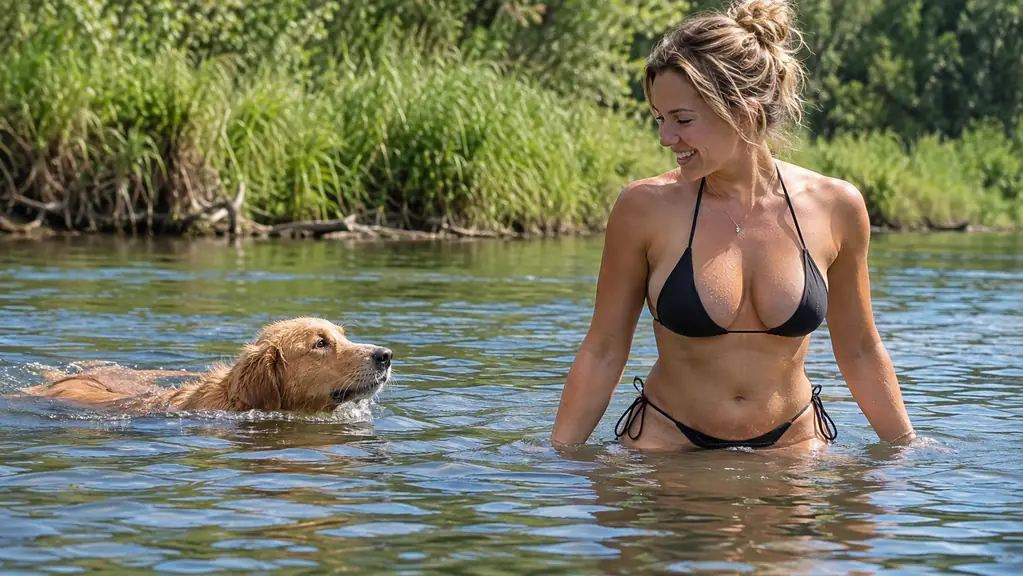
The reservoirs around here are still biting cold in July, and cold water pulls heat out of a dog faster than the air does. A tired dog in cold water is a dog making worse decisions. The vest does not warm anything, but it keeps the swim shorter and calmer, because I can see exactly where she is and how low she is sitting in the water.
Docks, boats and paddleboards were not built with dogs in mind
A dock is slick when it is wet. A paddleboard tips. A boat gunwale is the wrong height for anything with four legs. A slip at the dock is survivable when the dog is supported and a lot less scary when you can spot them immediately. That is the whole reason this vest lives in the car from May through September instead of in the garage.
Practice the exit as much as the entry
The entry is fun. The exit is where things go sideways. We practice the ramp at the club pond the same way we practice a contacts obstacle: slow, repeatable, rewarded every time. I guide Juno by the chest of the vest rather than by the collar, and she has learned that the ramp is the way out. A dog that knows its exit does not panic at the end of a long swim.
Straps and buckles survive a real season
Ours has been through reservoir water, hose-downs, pond mud and one memorable encounter with a sandy bank. The adjustable straps still hold where I set them and the quick-release buckles still click cleanly. I have not babied this vest and it has never asked to be. After a full summer, the Outward Hound Granby Splash is still the piece of gear I grab first on a water day.
The one time you need it, nothing else in the bag helps
You cannot predict the afternoon the current picks up or the dog misjudges the distance back to shore. I have had exactly one of those, and it ended fine because Juno was supported and visible the whole way in. Every other day the vest is just part of the routine. I will take that trade every summer for the rest of her life.
What I'd Skip
I would skip buying before you measure. A vest that rides up or binds at the shoulder is worse than no vest at all, because a dog in a poor fit works harder just to stay level in the water. Measure the chest girth, compare it against the 21 to 27 inch medium range, and size from that number instead of from your dog's weight on the scale.
I would also skip leaving it on for a long land hike. This is a swim vest, not a hiking harness, and a dog wearing it up a hot climb is just carrying extra layers for no reason. Ours comes off at the trailhead and goes back on at the water. And skip treating the vest as a substitute for watching your dog. It buys you margin, not a guarantee, and any vest that promises more than margin is selling you something.
Juno measured 24 inches around the chest, and the medium sits snug through the ribs and clear at the shoulders.
Get the fit right once and stop thinking about it
Measure the chest, match it to the size chart, and keep the vest in the car all summer. That is the entire system, and it takes about two minutes.
Amazon Check Today's Price on Amazon →